Insights
No code & web development

Vibe Coding for Websites: Revolution or Just the Next No-Code Hype?
Vibe coding is changing how websites are built. What matters most is still choosing the right platform, architecture and processes for the project.

Web Design Trends 2026: How AI and New Technologies Are Changing Websites
The biggest web design trends in 2026 are happening behind the interface. AI, agents, GEO and automation are changing how websites are built and managed.

Webflow vs. Astro: Which Solution Is Right for Your Web Project?
Webflow and Astro can both power modern, high-performance websites, but they follow very different approaches. This comparison explains when an integrated platform makes sense and when a modular architecture with Astro and a headless CMS like Sanity offers more long-term flexibility.

Websites for Associations and Institutions: What Really Matters in a Relaunch
Institutional websites are complex. Learn how structure, audiences, content, CMS and multilingual workflows shape a successful and sustainable relaunch.

Framer vs. Astro: Which Solution Is Right for Your Website?
Framer and Astro are built for different purposes. This comparison explains when a visual website platform is the better choice and when a modern web framework offers greater value.

Framer for Multilingual Websites: The Right Choice for Swiss Businesses?
Multilingual websites are part of everyday business for many Swiss companies. This article explains when Framer is the right choice and what should be considered during the planning stage.
Framer vs Squarespace: Which platform should you choose in 2026?
Framer and Squarespace serve different audiences. This comparison helps you choose the platform that best fits your digital strategy and long-term goals.

Framer or Webflow for SEO? Which platform is better for long-term organic visibility?
Framer and Webflow both provide an excellent foundation for SEO. This comparison explores which platform is better suited for content marketing, multilingual websites, AI Search and sustainable long-term growth.

Framer vs WordPress: Which platform should you choose in 2026?
Framer and WordPress are among the most popular website platforms available today. Discover how they compare in design, SEO, CMS capabilities, maintenance, performance and scalability.

Webflow vs Framer: Which platform should you choose in 2026?
Webflow and Framer are two of the most popular website platforms in 2026. This comparison explores their differences in design, SEO, CMS capabilities, scalability and ideal use cases.

Great websites are built as systems, not projects
Why sustainable digital platforms depend less on isolated deliverables and more on structure, decision-making and long-term evolution.

Transparent budgets as the foundation of fair collaboration
Why financial clarity improves not only planning, but also the quality of web projects.

Understanding scope creep – why clarity matters more than control
Scope creep is common in web projects. This article explains why it happens and how clarity and prioritisation keep projects on track.

Autonomy after launch – why enablement and ownership matter
The real work begins after launch. This article explains why enablement and ownership are essential for sustainable web projects.

Ultraperfekt Becomes a Webflow Premium Partner: What It Means for Your Business
Ultraperfekt is now an official Webflow Premium Partner. This article explains what this label means, how the Premium Partner status is awarded, and what concrete advantages it brings to companies building high-performance websites on Webflow. We also share how this milestone fits into Ultraperfekt’s long-term vision of scalable, conversion-focused digital platforms.

Structured project phases as the foundation of successful web projects
Structured project phases bring clarity, reduce complexity and improve collaboration. This article explains why phased workflows are essential for sustainable web projects.

Websites as continuous systems rather than one-off projects
Websites are no longer one-off projects but evolving systems. This article explains why a continuous approach leads to more sustainable web platforms.

Webflow Migration 2025: The Complete Technical SEO Guide for Transitioning from Traditional Platforms to No-Code (Checklist Included)
Well-executed Webflow migration = +47% organic traffic. Ultraperfekt reveals proven methodology from 80+ Swiss migrations: steps, checklist, avoid critical errors.

Why Webflow is a Safer Choice for Your Website in a World of Cyber Threats
Learn how Webflow’s built-in security features, including DDoS protection and SSL encryption, keep your website safe from cyber threats effortlessly.

How to Choose the Right Web Agency: A Practical Guide
Selecting the right web agency means evaluating their website, portfolio, and expertise. Look for proven web development specialists rather than marketing generalists to ensure your project's success.

Why Your Website’s Lifespan Is Shorter Than You Think
Discover why websites have a short lifespan and how webdesign, UX, and UI trends keep them relevant and effective.

The Importance of Sustainable Web Design
Learn how sustainable web design helps businesses minimize their digital carbon footprint while improving performance and usability through no-code solutions.

Framer: Strengths, Limitations, and Ideal Website Types
Framer is a no-code tool perfect for interactive websites like portfolios and landing pages. Discover its strengths, limitations, and the recent updates that enhance its performance and features.
Why Wix, Hostpoint, and Infomaniak Website Builders Aren’t Ideal for Landing Pages and Websites
Website builders like Wix, Hostpoint, and Infomaniak offer simple solutions for basic sites, but they limit long-term growth and adaptability.

No-Code Tools: Webflow, Framer, Wix, or Squarespace? Which One Is Right for Your Website?
Webflow, Framer, Wix, or Squarespace? Compare these no-code tools to find out their key advantages and the types of websites they are most suited for in this in-depth guide.

Webstudio: The Future of Flexible No-Code Web Design
Webstudio is an emerging no-code platform offering flexible design options and hosting freedom. Ideal for modern websites, it bridges the gap between simplicity and customization.

WordPress, Webflow, or Webstudio: Which Web Design Tool Is Right for Your Project?
In-depth comparison of WordPress, Webflow, and Webstudio: explore differences in functionality, flexibility, cost, and SEO to select the ideal tool for your web project.

Building Internal Tools with No-Code: The Ultimate Efficiency Booster
Learn how no-code platforms help organizations build internal tools quickly and affordably. Discover top no-code tools like Retool, Stacker, and Knack to streamline processes without coding.

How No-Code Development Can Transform Your Website and Business
No-code development enables businesses to quickly build scalable, SEO-optimized websites with complete design flexibility. Discover how it can elevate your brand and streamline web management.

Webflow Conf 2024: Empowering Marketing Managers with New Tools for Greater Control
At Webflow Conf 2024, new tools like Webflow Analyze and Optimize were introduced, giving marketing managers more control over their site’s performance and the ability to run A/B tests easily.
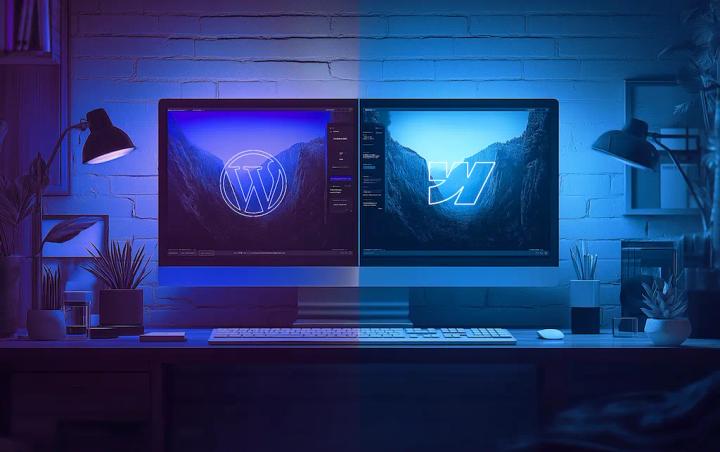
Webflow vs. WordPress: Which is best for campaigns in business, politics and sport?
A comparison of Webflow and WordPress for campaign management. Learn how Webflow’s No-Code capabilities enable marketing managers to quickly adapt campaigns while optimizing design and SEO without relying on developers.

The Future of No-Code in the Age of AI and GPT: Toward an Essential Complementarity
No-code and AI, especially GPT, form a powerful complement. Discover why no-code remains essential for rapid, flexible development, even as AI technologies continue to evolve and grow.

Why your website is the most important asset for your business
Investing in a high-performing, SEO-optimized website is essential for business growth. Learn why custom-built sites offer better design flexibility, SEO capabilities, and long-term value compared to website builders like Squarespace and Wix.
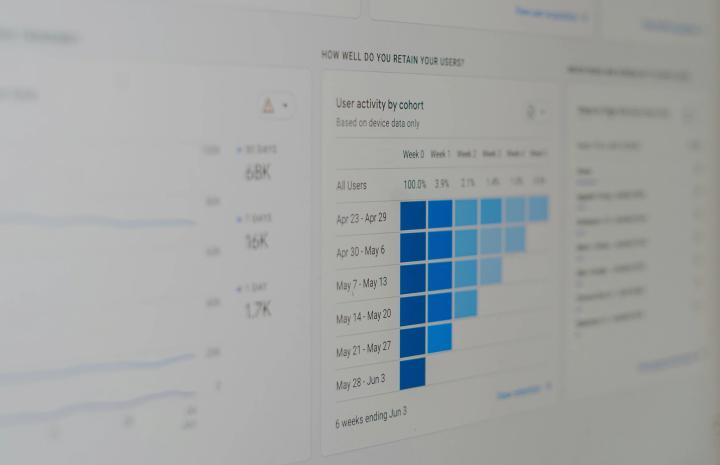
Webflow: Integrated tools for SEO optimization
Webflow offers automatic features that optimize the speed, SEO and UX of your website. Learn how you can use these integrated tools to maximize performance without additional effort.
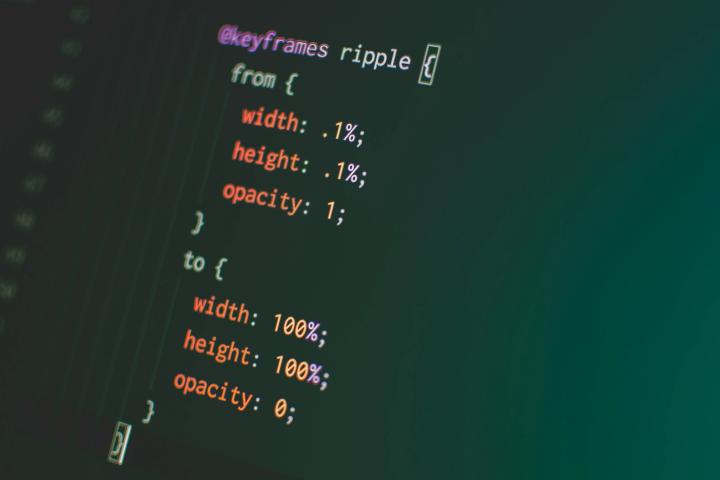
How to Use GSAP Animations in Webflow for More Dynamic and Engaging Websites
This article explains how to integrate GSAP animations into Webflow to create dynamic and user-friendly websites. With a step-by-step guide to implementing GSAP and ScrollTrigger, you’ll learn how to optimize animations while ensuring smooth performance across all devices and browsers.

How to use Webflow's localization feature correctly for a multilingual website
Discover how to implement Webflow’s Localization feature to optimize your website for global audiences. This guide covers setting up locales, managing subdirectories, and ensuring cultural relevance through proper translation techniques, enhancing your site’s SEO and user experience.

Programmatic SEO: How to Successfully Implement It with Webflow
With programmatic SEO, you can automatically generate landing pages optimized to capture a large volume of traffic. Using Webflow and Google Spreadsheets, you can automate content creation and management at scale, making the process fast and efficient.
Using components and properties in Webflow
The use of components and properties in Webflow makes it possible to create flexible, consistent designs. This guide explains when these features are useful, such as for recurring designs or dynamic visibility, and how to implement them step by step.
Contact us
To guarantee a perfectly tailored response to your specific web design requirements, we invite you to contact us for a personalized proposal.